Hospital
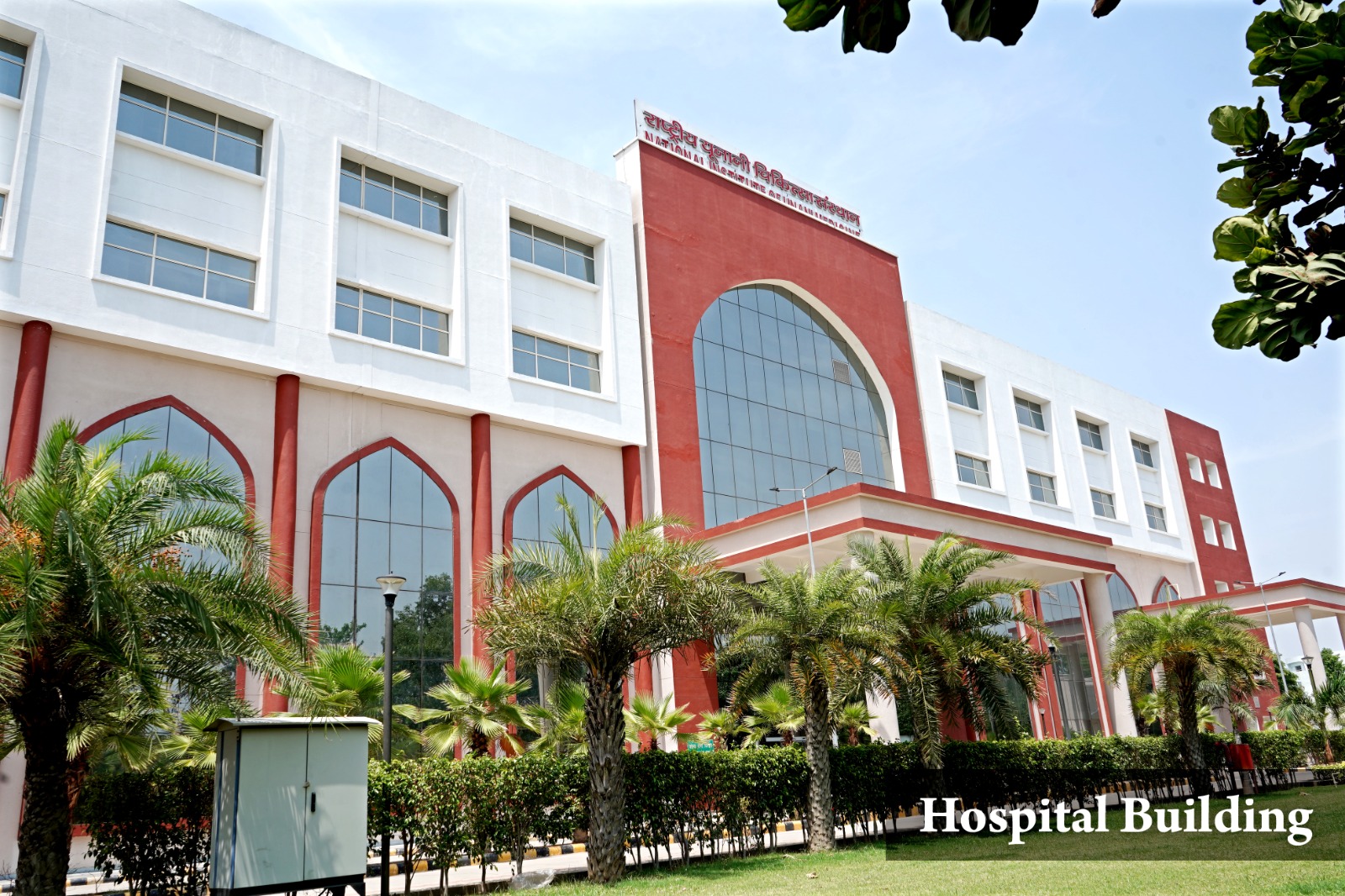
The National Institute of Unani Medicine (NIUM), Ghaziabad is a premier health and educational facility dedicated to the promotion, research, and clinical practice of Unani System of Medicine. It operates as a satellite campus of the National Institute of Unani Medicine, Bengaluru, under the Ministry of AYUSH, Government of India, and serves the northern region with quality Unani healthcare services and academic opportunities.
NIUM Ghaziabad also aims to provide educational programmes such as postgraduate and doctoral training in Unani disciplines, contributing to the growth of skilled Unani practitioners and researchers. Seats have been allotted for MD and MS courses, enabling academic development alongside clinical services.
The hospital component includes an Outpatient Department (OPD) that operates from 9:00 AM to 4:30 PM on weekdays and Saturday (except second Saturday and holidays), offering Unani consultations and treatments to patients of all ages.
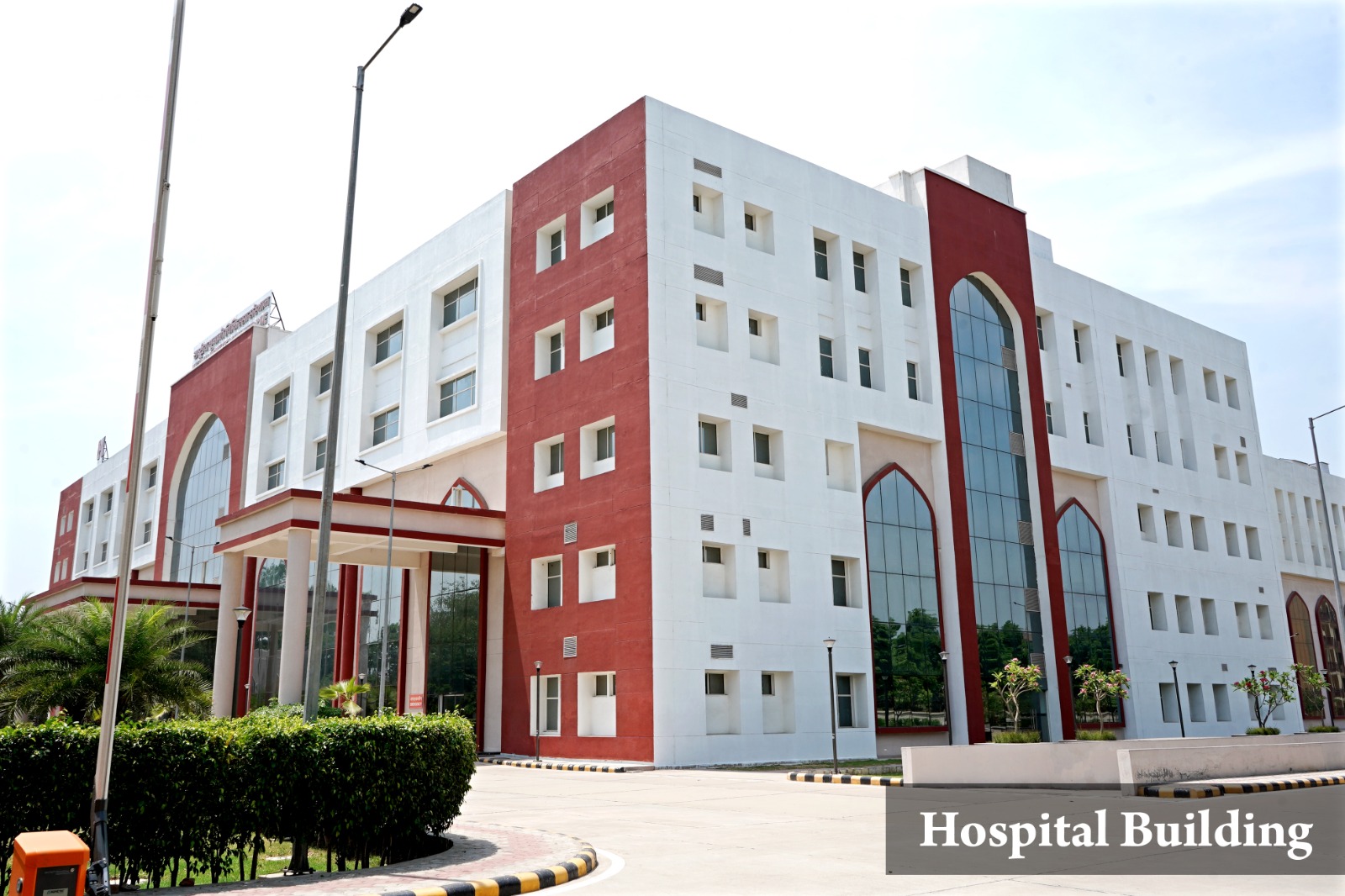
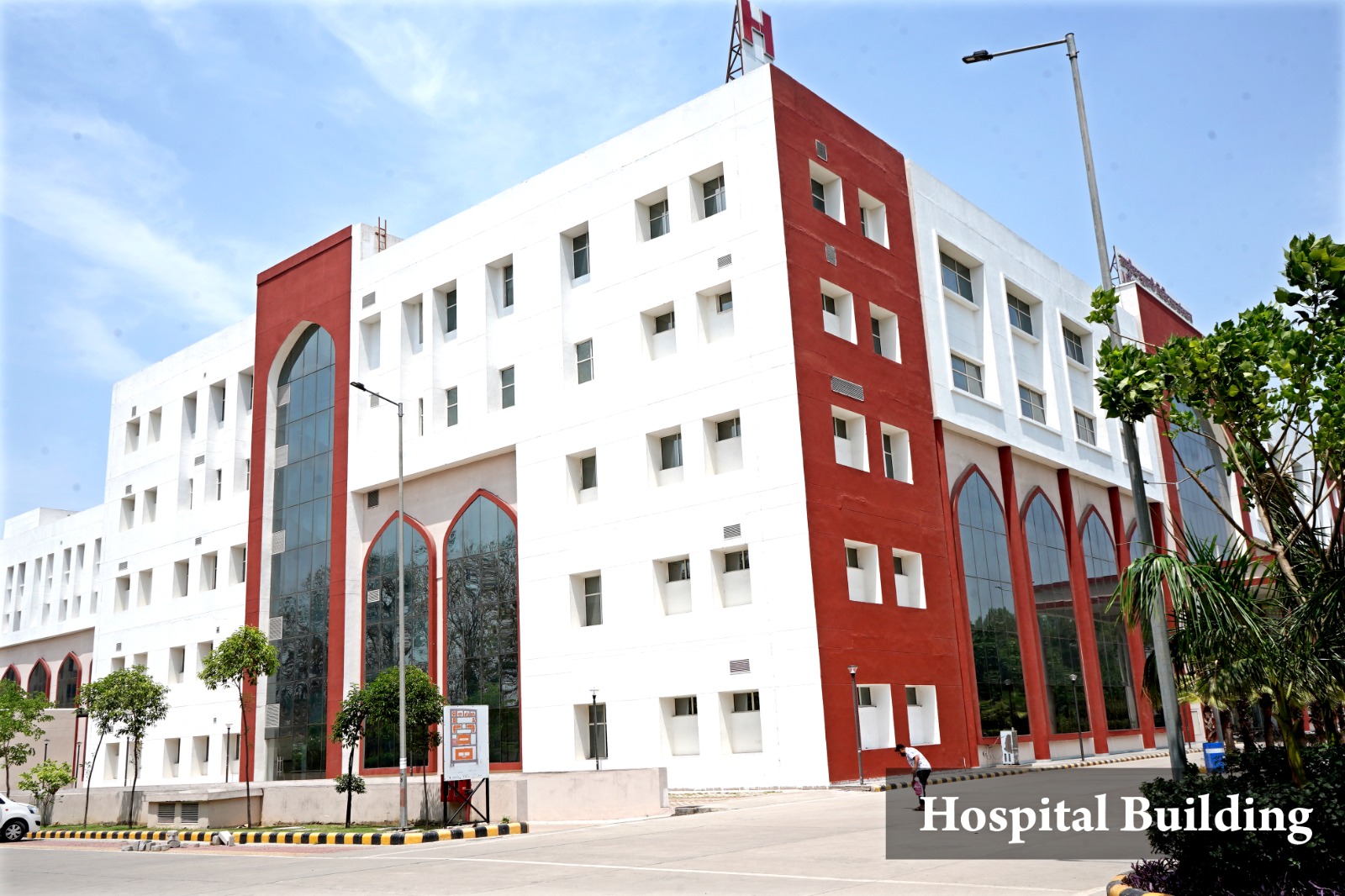
Designed as a 200-bed facility, it is one of the largest Unani medical hospitals in North India. The hospital intends to offer general and speciality Unani treatments, while also supporting clinical education and research. The campus plan includes wards, tutorial rooms, laboratories, and an Unani pharmacy to facilitate comprehensive care and learning.
The hospital facility serves as a major clinical centre providing holistic Unani medical services to patients. The hospital includes both Outpatient (OPD) and Inpatient (IPD) wings, with around 200 beds and separate wards for male and female patients 79 beds are in general wards and 121 in deluxe and semi deluxe wards. The clinical services cover a range of general and specialty areas, such as treatment for skin diseases, gastrointestinal and hepatobiliary disorders, neurological, psychiatric, and geriatric care. It also offers family planning guidance and nutritional counselling for conditions like diabetes, hypertension, and obesity.
A key feature of NIUM hospital is its Regimenal Therapy Centre (Ilāj bi’l-Tadbīr), which provides traditional therapies including massage, cupping, leeching, and hamam (therapeutic bath). There is also a neuro-rehabilitation unit to support recovery for patients with conditions such as stroke, motor neuron diseases, hemiplegia, and paraplegia.
Although the hospital follows the Unani system of medicine, it is equipped with modern diagnostic support, including laboratories in pathology, biochemistry, radiology, to ensure comprehensive patient care.